
Real Relief for the Problems That Keep Showing Back Up
We’re here beyond adjustments. Not just for treatment plans. We are for a community that's more vibrant because the people in it aren't held back by pain they didn't choose.
Read My Why
Most of the patients who come to see me have already tried something else. They've rested, stretched, taken ibuprofen, maybe seen another provider. The pain eased for a while, then came back. That cycle usually means the root cause was never identified — just the symptom. At Enhance Life Chiropractic, every new patient starts with a full health-history intake so I understand what's actually driving the problem before we talk about how to address it.
Conditions I See Most Often
Chiropractic care addresses a wider range of conditions than most people expect. The list below covers the most common reasons patients find their way to my office in Westminster — but if you don't see your situation here, reach out. If I can help, I'll tell you. If I can't, I'll point you somewhere that can.
- Headaches and migraines
- Sciatica and lower back pain
- Plantar fasciitis and foot pain
- Auto accident and personal injury recovery
- Prenatal and postpartum discomfort
- Neck pain and stiffness
- Sports injuries and overuse conditions
- Shoulder, hip, and knee pain
- Numbness, tingling, and nerve-related symptoms
- Work-related strain from physical labor
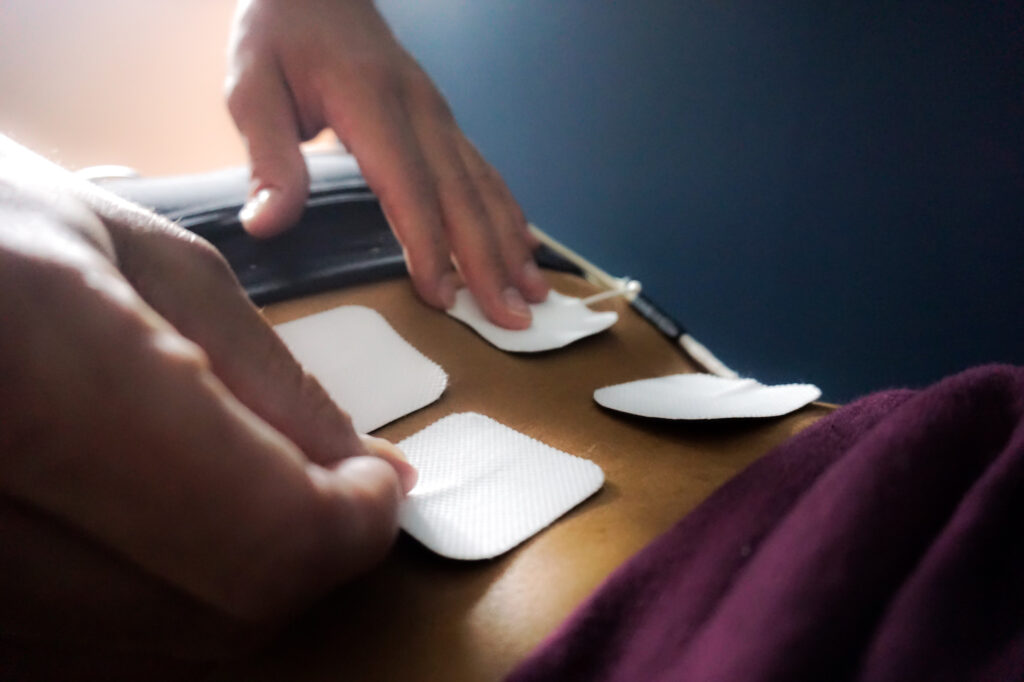
Headaches and Migraines: More Than a Pain Medication Problem
Chronic headaches and migraines are among the most under-treated conditions in chiropractic — not because care doesn't work, but because most patients don't connect the two. Tension patterns in the neck and upper back, restricted joint movement, and poor posture can all trigger recurring head pain. I use a combination of spinal adjustments, soft-tissue work, and corrective exercise to address the mechanical contributors that medication alone can't resolve.
Learn more about how I approach headaches and migraines on the dedicated condition page.
Sciatica: Finding the Source Before Treating the Nerve
Care for your Next Chapter
Sciatica gets diagnosed often and understood rarely. The shooting pain, numbness, or weakness that runs from your lower back into your leg is a symptom — the question is what's compressing or irritating the nerve producing it. Disc involvement, joint dysfunction, and piriformis tension can all present similarly. I start by identifying which structure is involved, then build a care plan specific to that finding rather than applying a standard protocol to every patient who walks in with leg pain.
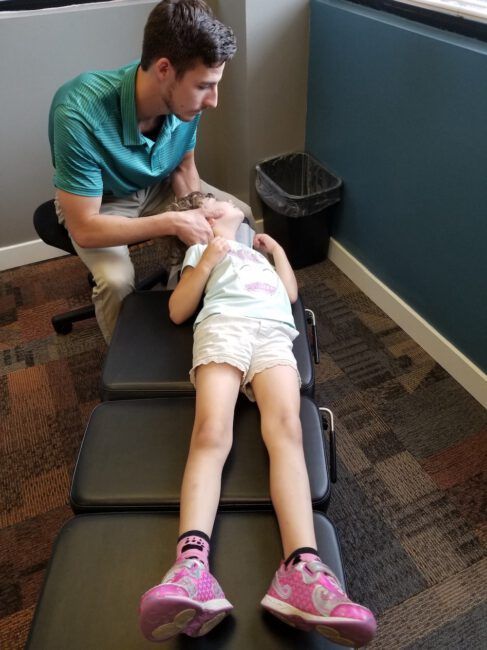
Plantar Fasciitis, Auto Injuries, and Prenatal Care
A Collaborative Clinic of Wellness
Some conditions don't fit neatly into a single category — they involve multiple structures, life circumstances, or care considerations that require a more nuanced approach.
Plantar fasciitis is a good example. Foot pain that won't resolve with stretching and orthotics is often connected to mechanics higher up the chain — the ankle, knee, or hip. I use IASTM, adjustments, and corrective exercise to address the full kinetic chain, not just the point of pain.
Auto accident injuries present their own complexity. Whiplash, soft-tissue damage, and spinal trauma from a collision often don't produce their worst symptoms immediately. Early chiropractic care after an accident supports better recovery outcomes and creates the documentation trail that matters if you're working with an insurance claim.
Prenatal and postpartum care is a significant part of my practice. The physical demands of pregnancy — shifting center of gravity, loosening ligaments, postural changes — create real discomfort that chiropractic addresses safely and effectively. I continue care into the postpartum period, when the body is rebuilding stability after delivery.
The techniques I use vary by condition, patient history, and what the body responds to best. My toolkit includes Gonstead, Diversified, Thompson Drop Table, Activator, Flexion-Distraction, and Toggle Recoil adjusting methods, alongside soft-tissue therapies including IASTM and electrical stimulation, and kinesiotaping for support between visits. Every patient also works through corrective exercises with me directly — in the gym, every visit — because passive treatment alone rarely holds.
What doesn't change across conditions is the intake process. Your first visit includes a full health history, a conversation about what's been tried before and what hasn't worked, and a plan that goes beyond "let's see how you respond to a few adjustments."
Common Questions About Chiropractic Treatment Conditions
Moving Beyond Pain to Enhance Life.
Can chiropractic care help with nerve pain like sciatica or numbness in my hands?
Yes, in many cases. Nerve symptoms often originate from mechanical pressure on the spine or surrounding structures — which chiropractic addresses directly. I start with a thorough intake to identify where the compression is coming from before beginning any treatment.Do I need a referral from my doctor to be seen for a specific condition?
No referral is needed. Colorado allows patients to seek chiropractic care directly. If your condition requires imaging or specialist involvement, I'll tell you that during your first visit and help coordinate next steps.How is your approach different from just getting an adjustment and leaving?
Every visit includes hands-on corrective exercise coaching in the gym, not just passive treatment on the table. The adjustment addresses joint function — the exercise work is what builds the stability to keep it that way. Both matter.Can you treat injuries from a car accident, and will my insurance cover it?
Yes. I see patients recovering from auto accidents and personal injuries regularly. Coverage depends on your specific policy and claim situation — I recommend contacting your insurer directly, and I'm happy to discuss documentation needs at your first visit.Is chiropractic care safe during pregnancy?
Yes, when provided by a chiropractor trained in prenatal care. I regularly work with pregnant patients throughout all three trimesters and into the postpartum period, using techniques appropriate for each stage of pregnancy.What if my condition isn't listed here — can I still be seen?
Reach out and ask. The conditions listed here are the most common, not the full scope of what I treat. If your situation is outside what I can help with, I'll be direct about that and point you in a better direction.