
Kinesiotaping in Westminster, CO — Support That Moves With You
Elastic therapeutic tape applied with clinical precision — so your muscles and joints can heal without being forced to the sideline.
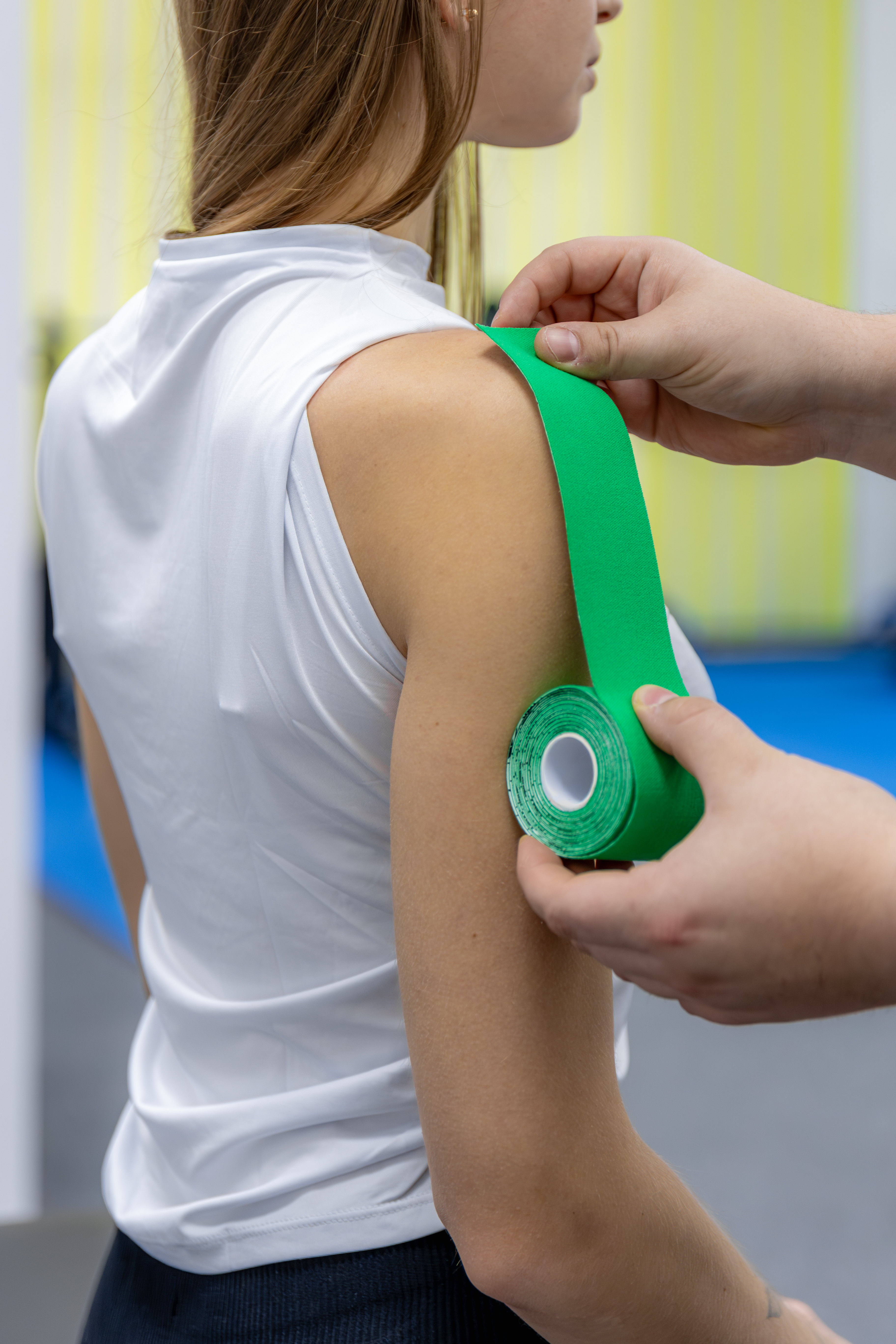
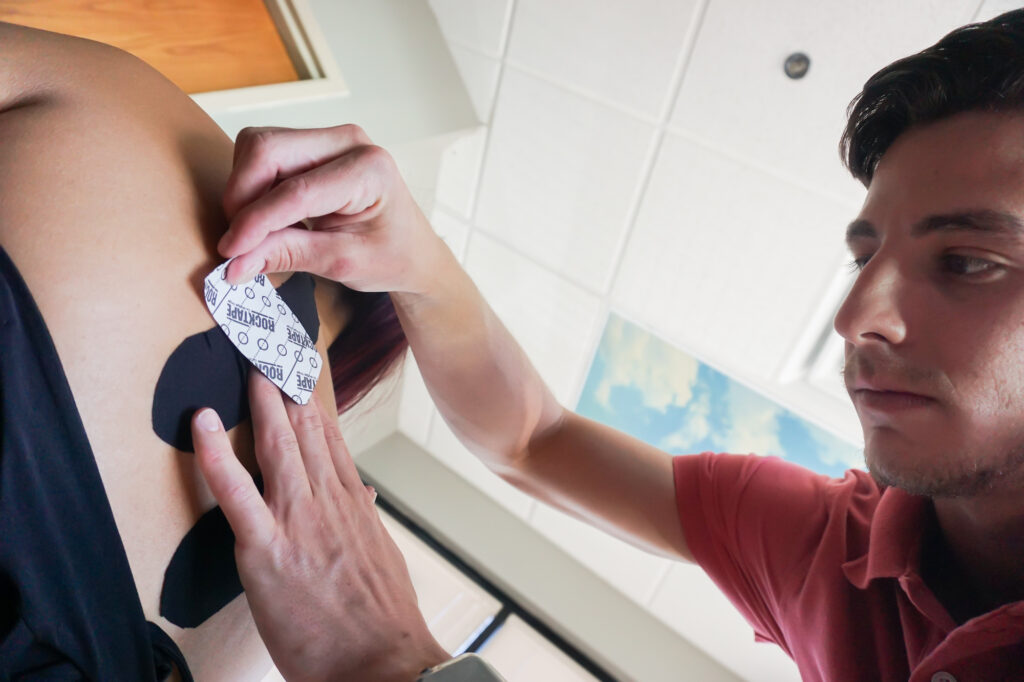
Kinesiotaping is one of the most versatile tools in our care model at Enhance Life Chiropractic. Unlike rigid athletic tape that restricts movement, kinesio tape is designed to work with your body as it moves — lifting the skin slightly to reduce pressure on the tissue underneath, improving circulation, and giving fatigued or injured muscles the neuromuscular feedback they need to function better. Dr. Benjamin applies it as part of a broader treatment plan, not as a standalone fix, which means the tape placement is always informed by what's happening in the surrounding joints, soft tissue, and movement patterns.
What Kinesiotaping Actually Does Inside the Body
Most people have seen the brightly colored tape on athletes and wondered whether it actually works or just looks the part. The mechanism is real. When applied correctly, kinesio tape creates a gentle lifting effect on the skin that decompresses the tissue beneath it — reducing localized swelling, taking pressure off pain receptors, and allowing lymphatic fluid to drain more efficiently. At the same time, the tape provides proprioceptive input to the nervous system, essentially reminding the muscles how to fire and in what sequence. For patients dealing with muscle inhibition after an injury, or for athletes whose movement patterns have broken down under fatigue, that neurological cue can make a meaningful difference in how the body performs and recovers.
- Reduces swelling and localized inflammation by decompressing the tissue layer
- Supports injured or overloaded muscles without limiting range of motion
- Improves circulation and lymphatic drainage in the taped area
- Provides proprioceptive feedback to retrain proper muscle activation
- Can be worn continuously for 3–5 days, including through showers and workouts
Who Benefits Most From Therapeutic Taping
Kinesiotaping is useful across a wide range of patients and conditions, but it tends to deliver the clearest results in a few specific situations. Youth athletes dealing with overuse injuries — patellar tendinopathy, shin splints, shoulder impingement — often respond well because the tape allows them to keep training at a modified level while the underlying tissue heals. Prenatal patients find it particularly valuable for lower back and SI joint support as their center of gravity shifts and ligament laxity increases. And for tradespeople and physical labor workers who can't afford to take time off, tape applied over a strained muscle or irritated joint can provide enough support to get through a shift while the deeper treatment work continues at their next visit.
Conditions we commonly address with kinesiotaping include:
- Knee pain and patellar tracking issues
- Rotator cuff strain and shoulder instability
- Lower back and SI joint pain, including during pregnancy
- Shin splints and Achilles tendinopathy
- Plantar fasciitis and foot arch support
- Postural correction for upper back and neck tension
How Taping Fits Into Your Care Plan at Enhance Life Chiropractic
Kinesiotaping at Enhance Life Chiropractic is never applied in isolation. Dr. Benjamin uses it as one layer within a whole-body treatment plan that may also include chiropractic adjustments, IASTM soft tissue work, electrical stimulation, and corrective exercise coaching. The taping placement is chosen based on your full health history, your movement assessment, and what the other treatment modalities are targeting that day. Because Dr. Benjamin works with every patient personally — no rotating staff, no hand-offs — the tape application is consistent with and connected to everything else happening in your care. After application, he'll walk you through how to monitor the tape, when to remove it, and what to watch for so you're not guessing between visits.
Kinesiotaping — Frequently Asked Questions
Moving Beyond Pain to Enhance Life.
Does kinesiotaping actually work, or is it mostly placebo?
The evidence is strongest for pain reduction, swelling management, and proprioceptive support — particularly when taping is combined with other treatment rather than used alone. At Enhance Life Chiropractic, it's always applied as part of a broader care plan, which is where it tends to produce the most reliable results.How long does kinesio tape stay on?
Most applications last 3–5 days. The tape is water-resistant, so patients can shower and exercise normally while wearing it. Dr. Benjamin will give you specific guidance based on where the tape is applied and what it's targeting.Is kinesiotaping safe during pregnancy?
Yes. It's one of the most commonly used tools in prenatal chiropractic care because it provides meaningful support to the lower back, pelvis, and SI joints without any compression or restriction. Dr. Benjamin has specific taping protocols for prenatal patients and will adjust placement based on your stage of pregnancy and symptoms.Can my child or teen athlete get kinesiotaping?
Absolutely — kinesiotaping is widely used in youth sports medicine and is well-tolerated by younger athletes. It's particularly useful for managing overuse injuries like shin splints or patellar tendinopathy while allowing continued participation in training at an appropriate level.Do I need a separate appointment just for taping?
No. Taping is applied during your regular visit as part of your treatment plan. If Dr. Benjamin determines it's appropriate for what you're working through, he'll apply it in the same session as your adjustment or soft tissue work.